


Prospective pool owners: you’ve likely heard of fiberglass pools and perhaps even vinyl liner pools. If you’re trying to better understand what type of pools exist on the market, you’ve got to check out gunite pools. What is a gunite pool? You might wonder.
Gunite is a form of long-lasting concrete that stands the test of time (and inclement weather). And the reason we say you’ve “got to” check out gunite pools is that they’re one of the longest-lasting pools on the market.
Charleston Pools and Service here. For nearly a decade, we’ve built more than 1,500 stunning luxury backyard pools for homeowners across South Carolina and Georgia. If you’re wondering what a gunite pool is, you’ve come to the right place.
In this article, we’ll help clarify what a gunite pool is, as well as other gunite-related topics, such as:
- What is gunite (as a material)?
- How is gunite used in pool construction?
- What’s the difference between gunite, concrete, and shotcrete?
- How do you maintain a gunite pool?
- Why choose to build a gunite pool?
- Local features and trends in gunite pool building in Charleston
- Why hire a gunite pool builder?
- Frequently asked questions (FAQ) about gunite pools
What is gunite?
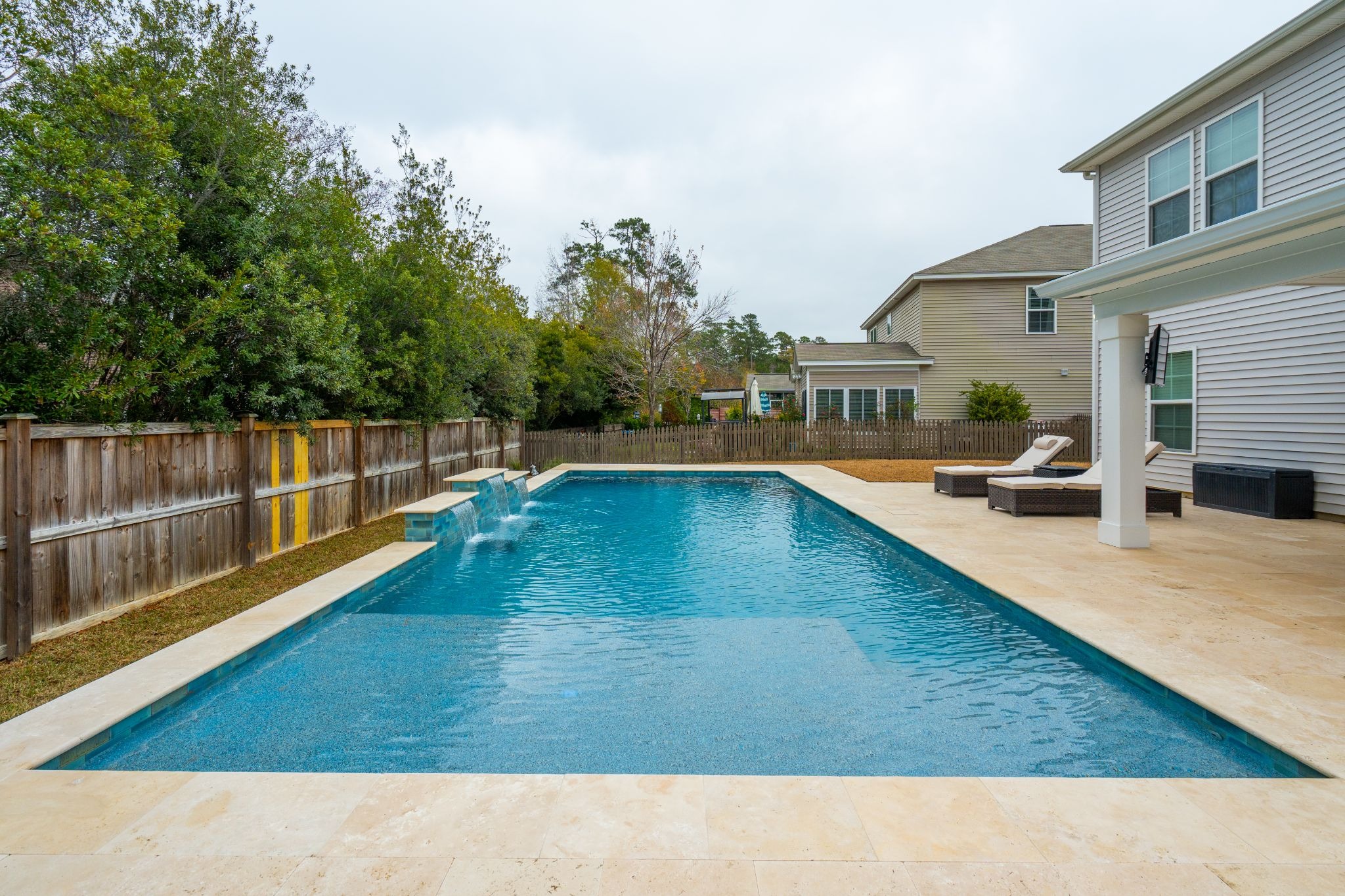
Gunite (or gunite concrete) is the term that encompasses the core materials used to build a gunite pool. Specifically, gunite is a mixture of sand, cement, and water that’s combined and shot out of an industry-grade hose.
The sand, cement, and water mixture that forms the components of gunite is then combined with a dry mixture that’s fed through a hose. The hose, hose nozzle, and supporting systems also control how much water is added to the gunite mixture before the mixture is sprayed into place on the shell of the gunite pool.
When the gunite concrete sets, or cures, it thickens, creating a solid structure. In the case of gunite pools, gunite concrete is sprayed through a hose onto steel rebar, where it thickens and fills the shape of the pool shell.
In other words, gunite has long been used as a material for swimming pool construction, making it an ideal material for building a backyard pool.
How is gunite used in pool construction?
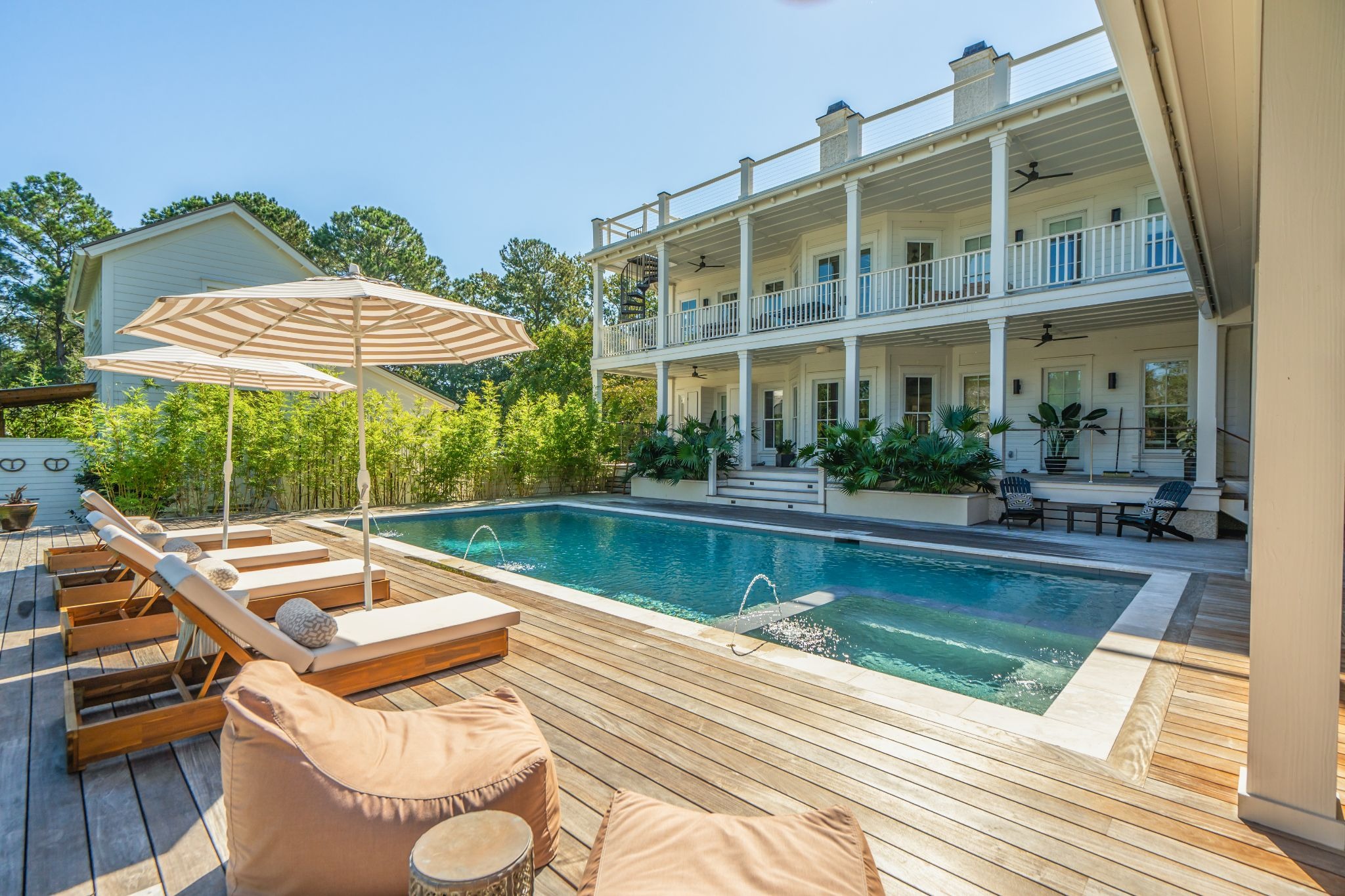
Since gunite is a mixture of sand, cement, and water, how exactly is it used during pool construction? Let’s take a look.
- Excavation: Before gunite is touched, your pool contractor will excavate a large hole in your backyard where the shell of your new gunite pool will sit.
- Plumbing: Piping, fittings, and other plumbing-related infrastructure are installed.
- Steel rebar: A steel rebar structure is placed where the gunite shell will be formed and applied.
- Gunite preparation: The cement, sand, and water mixture for gunite is loaded into the equipment that applies it to the steel rebar structure.
- Water: Water is added at the nozzle of the gunite hose before the gunite mixture and water is sprayed into place on the steel rebar frame.
- Curing period: The gunite shell then cures. Once the curing process finishes, a pool contractor will set plaster on the pool. The gunite curing process can take up to 28 days.
What’s the difference between gunite, concrete, and shotcrete?
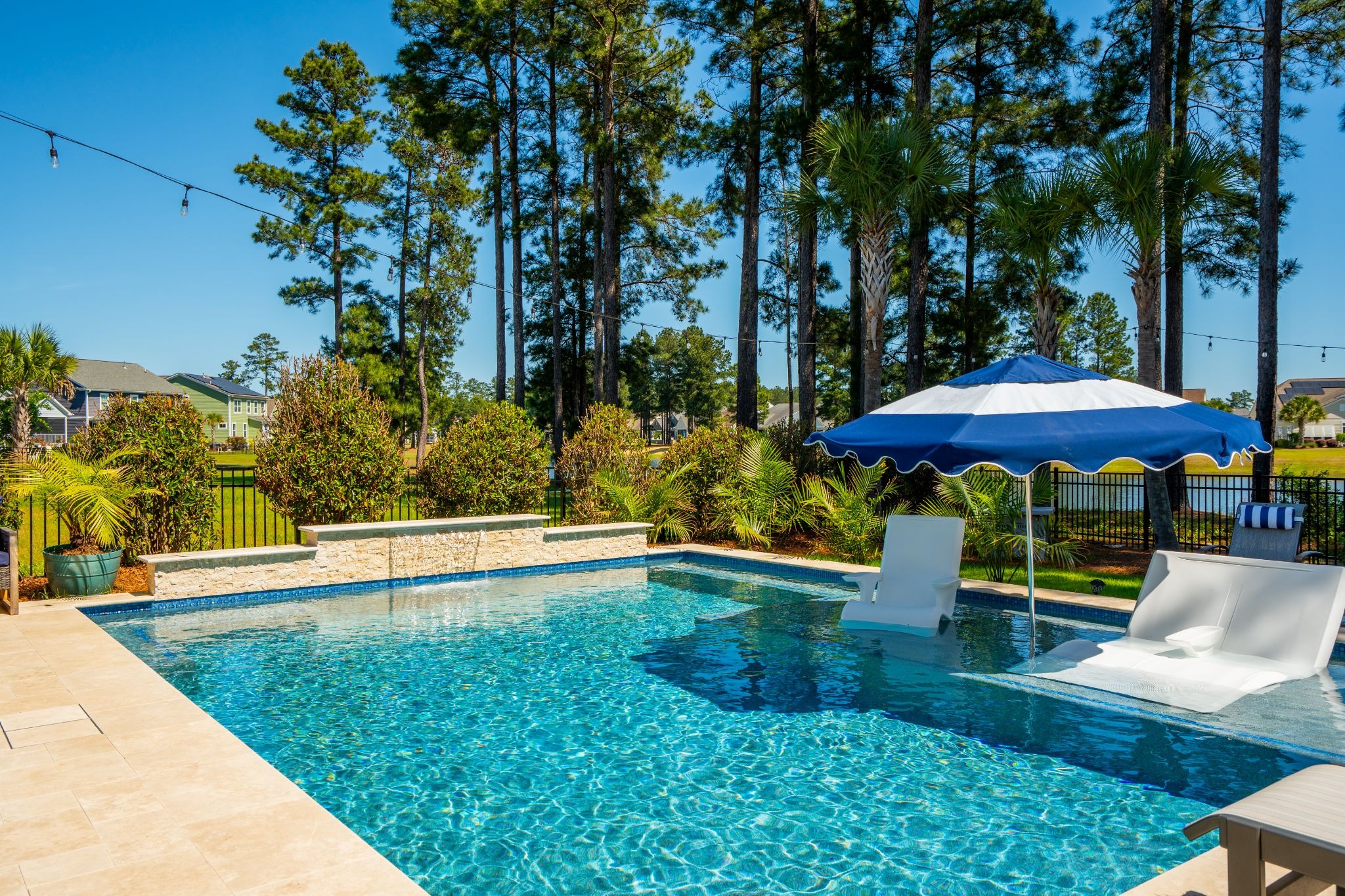
Sometimes, the words “gunite” are paired together or seen alongside “concrete” or “shotcrete.” Shotcrete is a pre-made wet mix of concrete and water; gunite is the dry mix fed into the equipment and then mixed with water at the last second in the nozzle of the hose.
Whereas shotcrete is pumped through a hose pre-mixed, and no additional water is used, gunite is mixed with water just before being applied to the steel rebar pool shell.
The benefits of using shotcrete include:
- Consistent strength: Pre-blended, shotcrete is more uniform as a mixture and therefore tends to hold more strongly than gunite.
- Application: Shotcrete tends to pump more quickly and smoothly than other concrete types.
- Less water waste: Since the water is pre-mixed with concrete, less water is wasted compared to when using gunite.
Many pool contractors use gunite because:
- It allows for flexible start and stopping: Pool contractor crews can pause and resume work without creating awkward discontinuities due to new layers of concrete being applied on previous layers.
- Real-time adjustments: If needed, a person controlling the gunite nozzle (often called a nozzleman or nozzlewoman) can control the water-to-cement ratio to hand craft and better shape the pool’s structure.
- Accessibility in smaller spaces: For smaller pools and tighter backyard access points, gunite concrete equipment can more readily access tight backyard spaces.
How do you maintain a gunite pool?
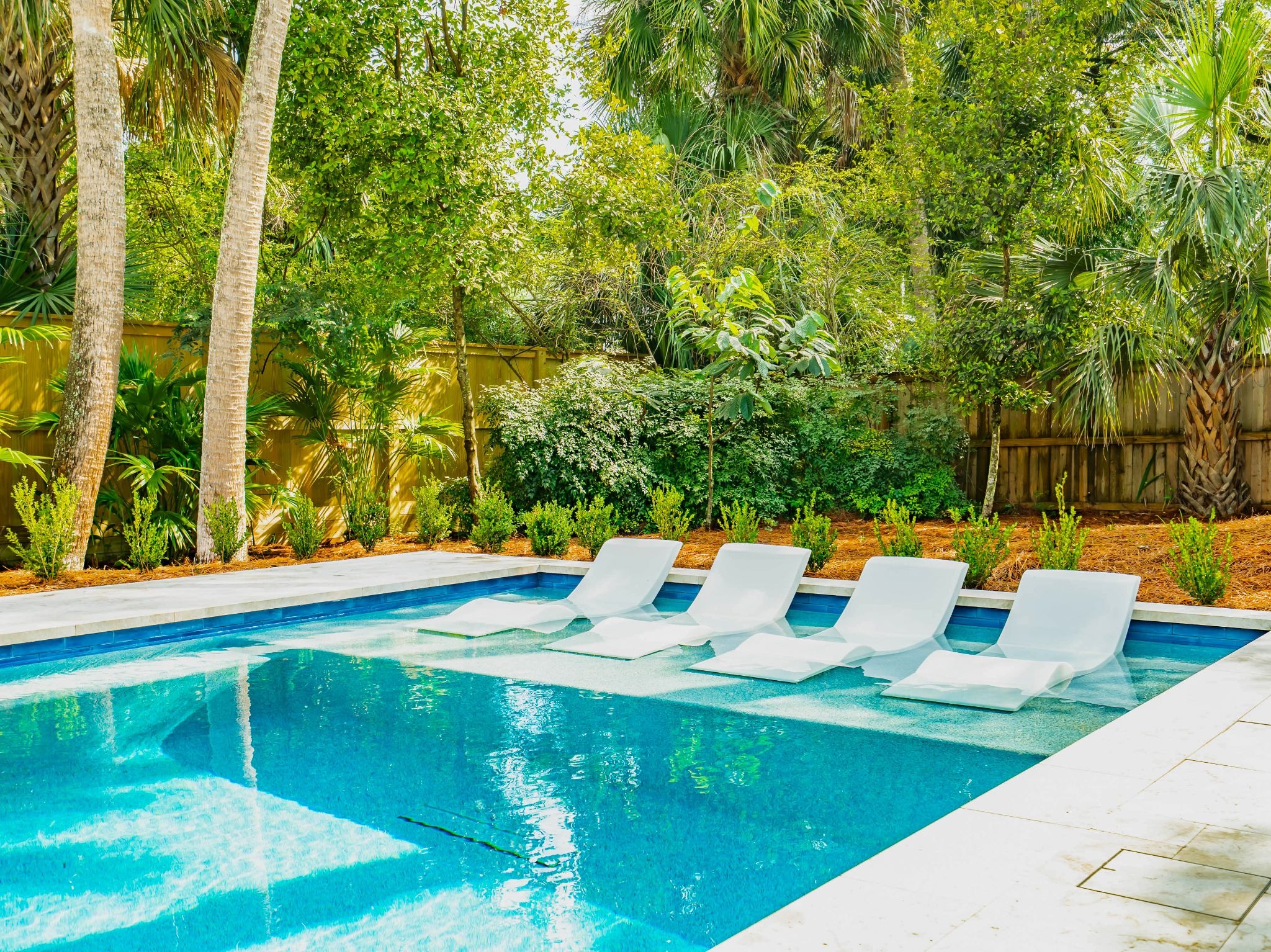
Gunite concrete requires maintenance. After all, just as roads tend to crack over time due to damage from weather, cleanliness, and surface fissures, the same occurs for concrete or gunite pools.
To maintain a gunite pool, we recommend following our seven pool maintenance guidelines:
- Pool cleaning: Once weekly, we recommend brushing your pool walls and floor. Doing so prevents algae from forming and keeps your pool’s surface clean and clear. Use a pool vacuum or automated cleaning device, as they can help remove dirt and debris faster than a pool skimmer net alone.
- Check water chemistry: Once weekly, test your pH, chlorine, and alkalinity levels. Adjust the levels as needed to avoid scaling or damage to your pool.
- Water levels: By filling your pool only with the amount of water your pool shell can handle, you’ll help reduce stress on the pool structure.
- Mind the cracks: Inspect your gunite pool for cracks, as even the toughest concrete concrete (think: pavement and roads) are susceptible to cracks. The same goes for your concrete/gunite pool.
- Schedule professional check-ups: During swim season, if you’re not conducting pool maintenance yourself, call a professional to test and balance chemicals, skim, brush, vacuum, and inspect pump baskets. During the off-season, inspect your pool every two weeks for chemical testing and balancing. Once every one to two years, we recommend calling a professional pool contractor to inspect plumbing systems, electrical systems, structural components, and pool automation to help catch wear and tear that can, if gone unchecked, lead to equipment failure.
- Resurfacing: Your gunite pool will last a lifetime if properly maintained. Consider replastering the plaster finish around your gunite pool every seven to 15 years to keep it in tip-top shape.
- Create a maintenance checklist: Pool maintenance tasks aren’t created equally. Some are required every week, others are required every month, and finally, some are needed once a year (or less). Consider creating a maintenance checklist, or feel free to refer to our seasonal pool cleaning and maintenance checklist built for Mount Pleasant pool owners as a reference. Doing so will prepare you for each season’s to-dos and help you increase the lifespan of your pool.
Why choose a gunite concrete pool?
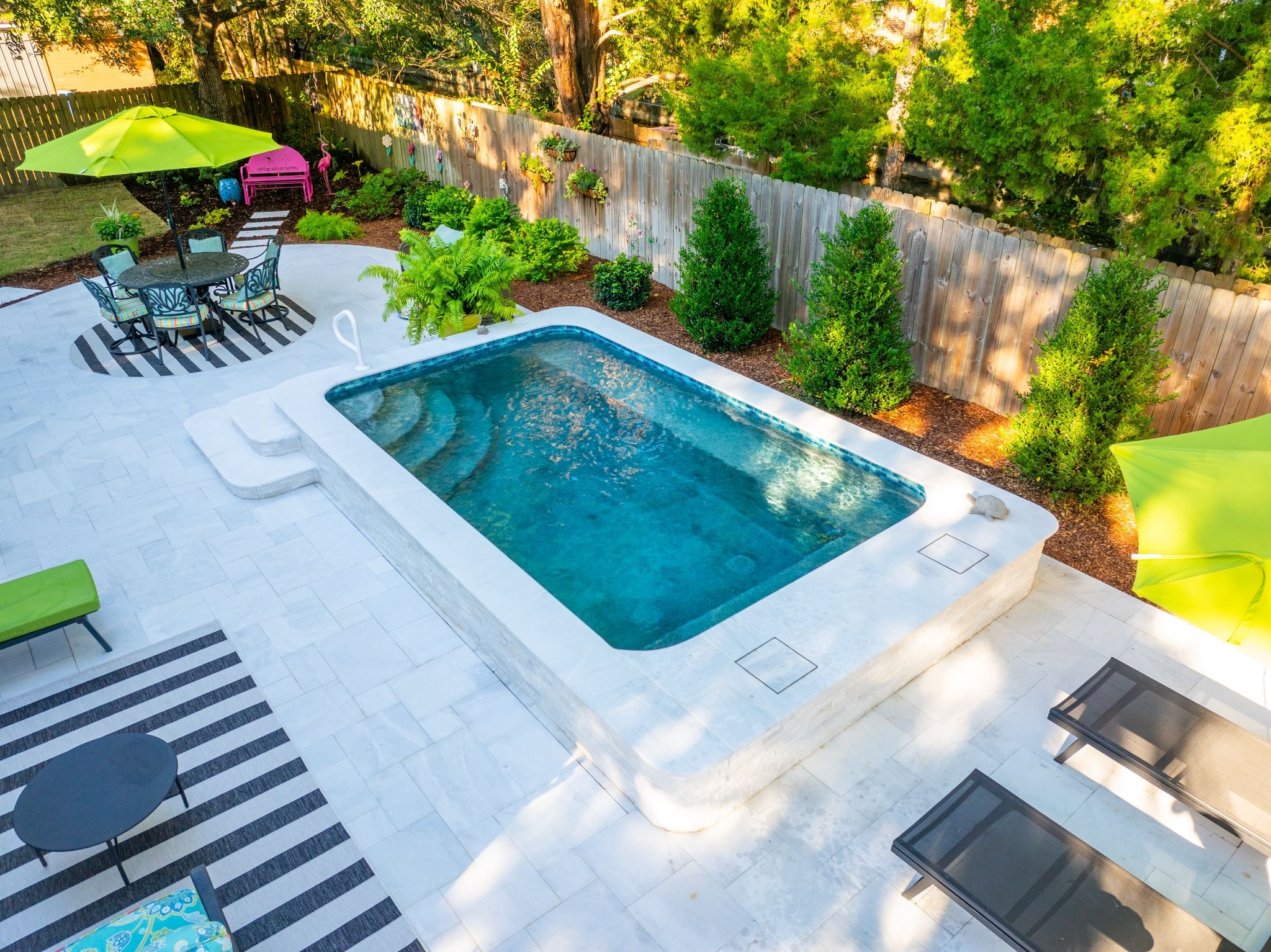
Local trends and features in gunite pool building in Charleston
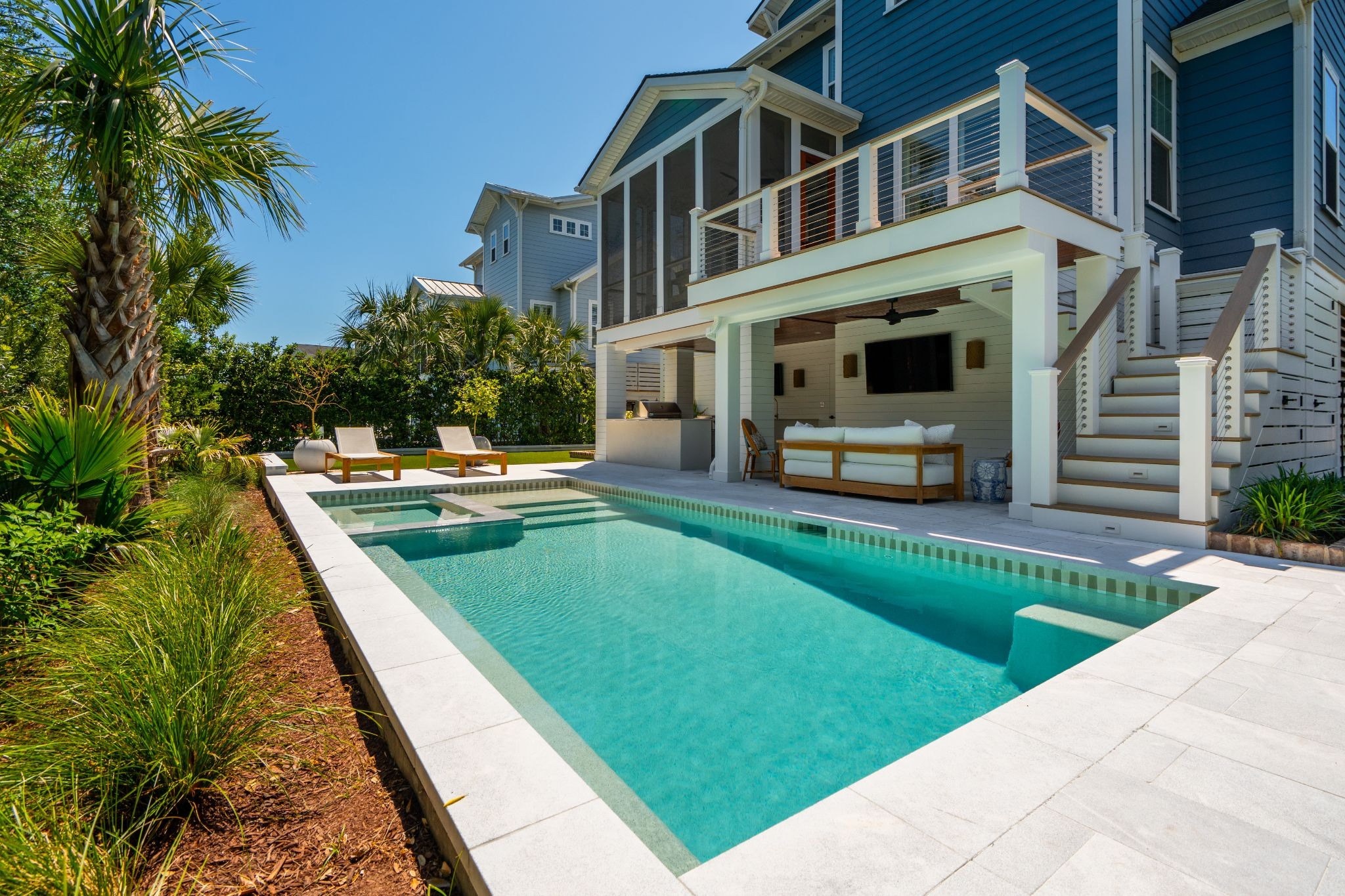
We’ve helped more than 1,000 customers in the Charleston area alone, and what we’ve noticed with homeowners in Charleston, Berkeley, Dorchester, and Horry counties is that a quality pool is all about its materials, add-ons, and features.
- Tanning ledges: Ideal for relaxing nearby all the action without having to leave the comfort of the pool, tanning ledges offer a beautiful place to get some sun and stay cool at the same time.
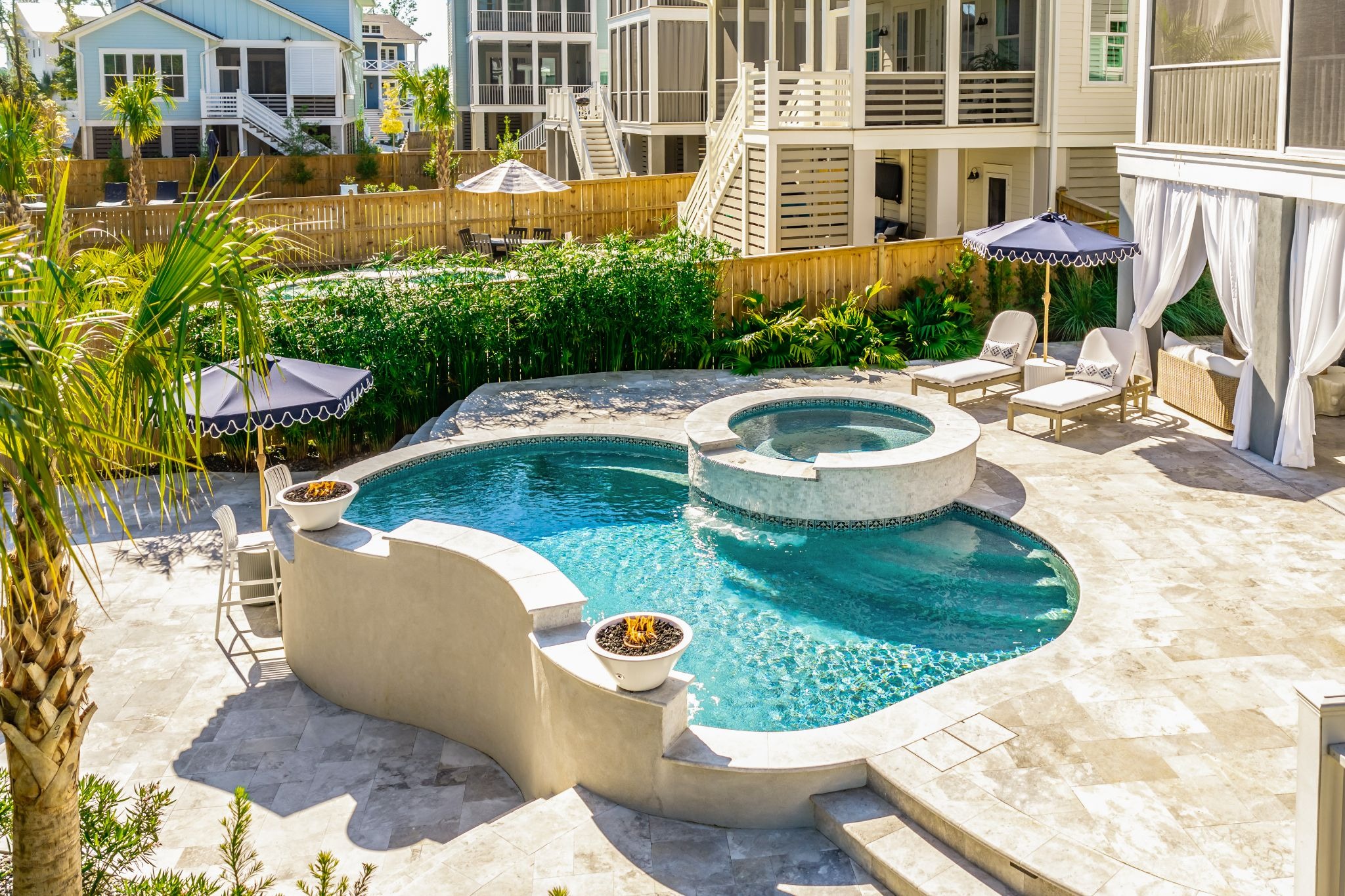
- Waterfalls and spillover spas: These stunning cascade-like features offer drama and a resort-style feel to backyards in places like Daniel Island.
- Multi-level decking: Decking is especially helpful for sloped homes, thereby creating a smooth transition from home to backyard paradise.
- In-water LED lighting: Many swimmers prefer swimming later in the evenings. Especially during summer, the late-night evenings are milder and therefore perfect for a dip or a night of relaxation.
Gunite pool installation: Did you know?
Did you know that gunite pools can include automatic, roll-up covers? They’re a fantastic way to keep leaves and debris out of the water while protecting family and pets.
👉🏼Check out our Instagram page to see how automatic pool covers can add a layer of convenience, safety, and protection from the elements on this L-shaped pool.💦
Why hire a gunite pool builder?
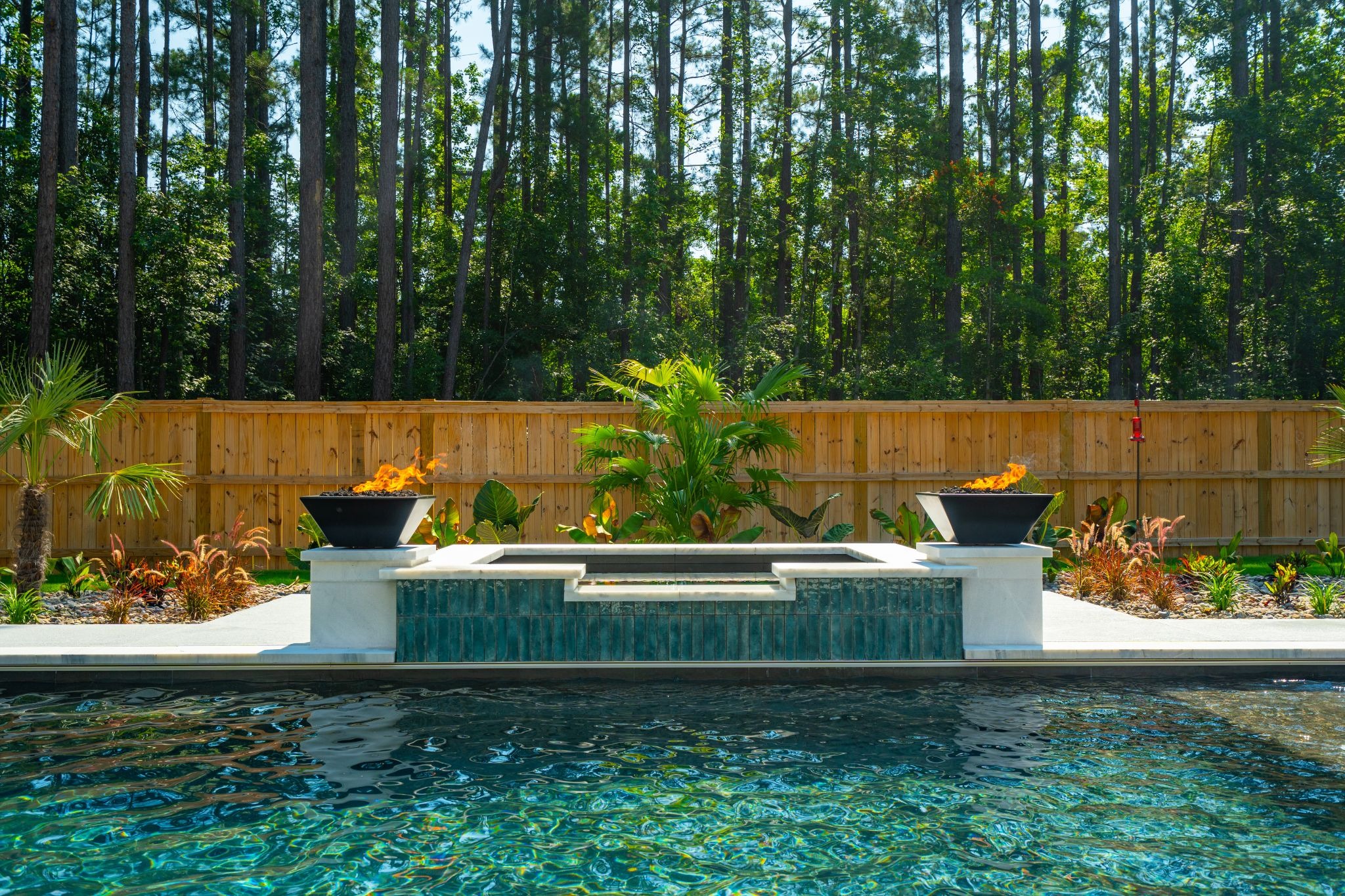
If you like what you read and are thinking of building a gunite pool, consider the benefits of hiring a gunite pool builder versus approaching the building process the do-it-yourself (DIY) way:
- Explore endless customization options in a pool builder’s showroom: With the gunite pool construction process, the possibilities for customization are nearly endless. A gunite pool builder often has a showroom or portfolio of different materials, shapes, sizes, and design options that can provide you with virtually unlimited possibilities for your pool construction project.
- Gunite expertise and strength: A gunite pool builder has years of experience and expertise wielding gunite hoses. A nozzleman or nozzlewoman is trained in the art of spraying gunite to shape pools sans cracks or joints. The result is a stronger pool that stands the test of time and is built right, the first time around.
- A gunite pool builder can build a pool that’s deeper than most: Especially with gunite pools, you can dig and build deeper than with other pool forms like fiberglass and vinyl pools. The strength of gunite allows pool builders to design pool shells to withstand external pressure from the surrounding soil. A gunite pool builder is adept at navigating the gunite swimming pool construction process to ensure the pool’s foundation is settled, regardless of the depth of the pool.
- Cost-effective: While gunite pools require a higher upfront investment, they last longer and are more cost-effective over time. A pool builder has the knowledge and track record to explain and show you why and how a gunite concrete pool lasts longer than other inground pool types.
- Quicker installation times: Most of the time, a gunite pool construction team can have your pool up and ready for swimming faster than a DIY shotcrete or gunite pool project. For example, our gunite pool builders can have your pool ready to go, from dig to swim, in just 60 days. This timeline accounts for all phases of the pool construction project. When you build with a pool contractor, they have dedicated processes and people who are trained in building backyard custom pools on time and on budget.
If you’re thinking about building a pool structure in your backyard or are just beginning to familiarize yourself with the gunite application process (and how gunite pools are built), we’d love to help!💝
We’re all about ensuring homeowners have the knowledge and tools they need to make more informed decisions about their backyard swimming experience.
Our Charleston-based pool contractors have more than 20 years of combined experience hand-crafting and shaping pools in the Charleston area. In the last eight years alone, we’ve built more than 1,500 backyard pools.
If you’re considering building a pool or are trying to gain a better understanding of overall pool costs, we invite you to contact us. Our pool contractors are here to help make tomorrow’s dreams a reality today.
For more information about gunite pools, don’t hesitate to reach out to us. We look forward to helping you build the pool of your dreams.🏊🏼♂️💦
Frequently asked questions (FAQ) about gunite pools
1. What’s the difference between a gunite pool and a concrete pool?
The difference is actually not as stark as you’d think. Both concrete and gunite are forms of concrete, but with concrete pools, the concrete comes pre-mixed with water.
As a result, you’ll need to keep pouring concrete once you start. If you stop, you run the risk of creating weaker points in the pool shell. Concrete also tends to be more expensive to apply, though you’ll also receive a more uniform mixture from the start, that is, if you opt to build a concrete (versus gunite) pool.
In contrast, gunite doesn’t use large or small aggregate material (like gravel or stone) like concrete does. Gunite uses small particles and is fired out of a hose — dry. The water is added to the dry mix at the point of delivery, not necessarily pre-mixed like concrete.
You can start and stop as you desire when pouring concrete for gunite pools, resulting in a smoother finish and fewer potential cracks than with concrete pools. Gunite construction projects require more skill, time, and attention to detail, as the work can be messy if not attended to with the right training, precision, and attention to detail..
2. What’s the lifespan of a gunite pool?
On average, a gunite pool can last anywhere from 30 to 50+ years. The reason for the large spread is due to the maintenance and care provided to the pool, such as when the pool is resurfaced, how often it's cleaned, and how often equipment parts are replaced.
In other words, the durability and strength of the pool is also proportional to the tender loving care it receives.
3. What’s the average cost of a gunite pool?
The average cost of a gunite pool ranges from $65,000 to $175,000+. The price gap is due to factors such as:
- The size and depth of the pool
- The shape and complexity of the pool design
- Add-on features included
- Location of the pool in the continental U.S., as well as where in the backyard it’s located
- Site access and preparation
- Building materials and finishes used for the pool
- Permit procurement process
We get it: The range is pretty large. Giving your local pool contractor a call will help you better understand the cost breakdown and factors involved with your area’s specific gunite pool costs.
💦Charleston Pools and Service: Your Guide to All Things Gunite Pools💦


