_edited_%201a.svg)


The process of installing a fiberglass pool can be an extremely exciting venture, because it leads to memories of moments that will last a lifetime. Being aware of materials, timelines, resources, and communication for a fiberglass pool installation is essential to making the most of your pool.
If you’re thinking about a new fiberglass pool for your backyard, you’ve come to the right place.
Our Charleston Pools and Service team has installed more than 1,500 pools over the last nine years, and we’d love to help.
Whether you’re mid-pool installation, on the fence about it, or just beginning your research journey into backyard luxury swimming pools, our pool pros will walk you through what to expect with your next pool build. From dig to swim, we’ll provide a high-level overview of the following pool installation-related topics:
- The 7 most common steps of installing a fiberglass pool
- Tips for ensuring a faster, more seamless pool installation
- How long a fiberglass pool installation takes
- What qualities to look for in a fiberglass pool contractor
- Frequently asked questions (FAQ) about fiberglass pool installations
The 7 parts of installing fiberglass swimming pools
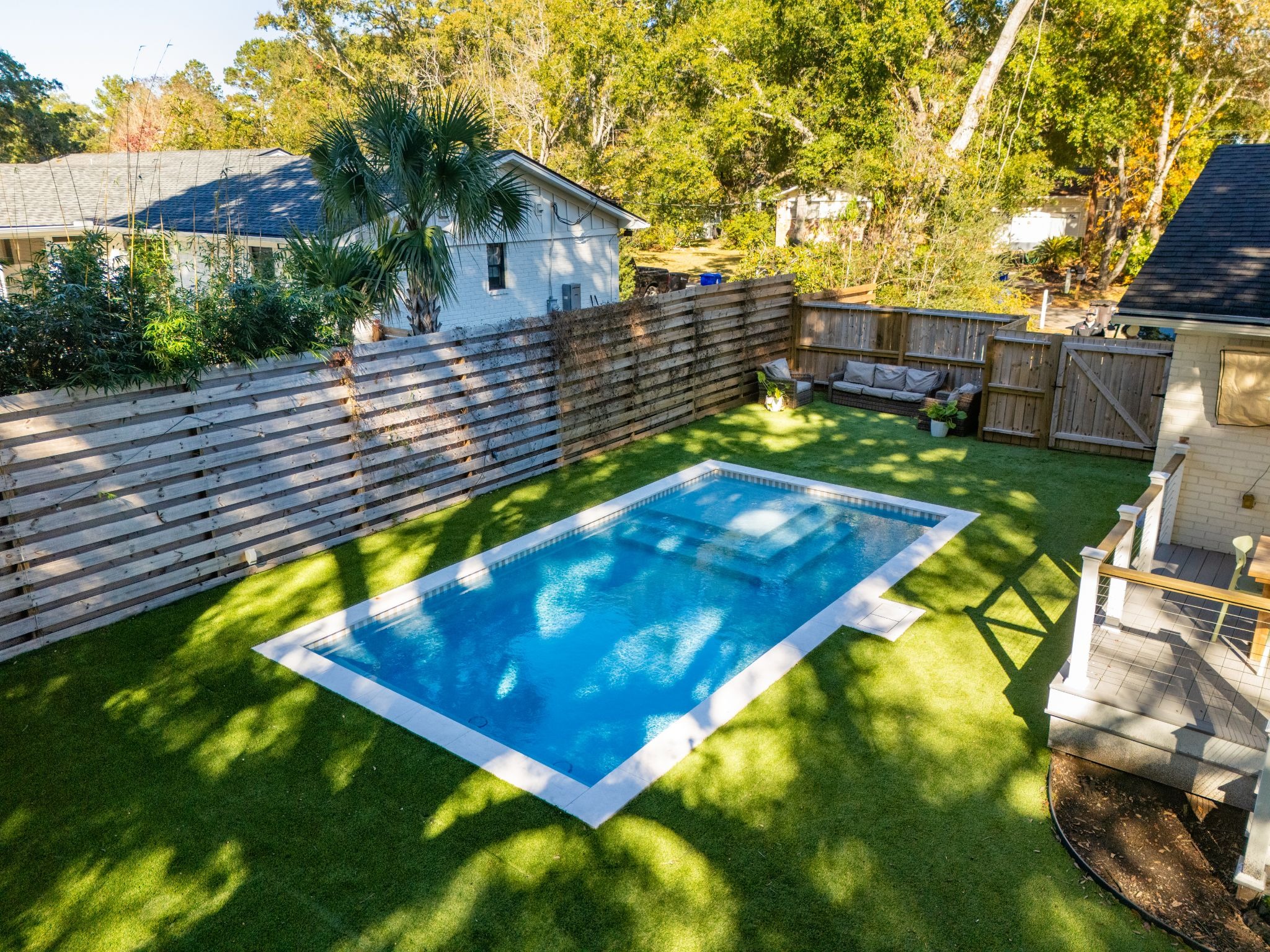
When you hear the word fiberglass, what comes to mind? When we think about fiberglass pools, we break it down into seven main steps:
In the coming sections, we’ll explore the processes, resources, and timelines involved with each part.
1. Prepare the backyard for digging
Before digging can commence, we must first prepare the backyard. That means obtaining building permits, identifying where utilities will go, establishing the finish grade of the pool wall, and more.
Other parts of the preparation process involve:
- Outlining the excavation area with pool dimensions
- Setting the elevation
- Marking the layout
Once the remaining parts of the process are complete, we can now dig and excavate the site to prepare for your new backyard pool.
2. Excavation and allowing the pool to settle
During this stage of the build, we dig out the space in your backyard for your pool. The excavation process depends on the size, shape, and design of your fiberglass pool shell.
In general, most digging will be conducted by digging only slightly beyond the dimensions of the pool by about eight to 12 inches. Once we finish digging (we use a large excavator for digging), we place the foundation for your pool into the hole that’s been excavated.
Some of the materials used to form the foundation of a fiberglass pool include:
- A two-inch layer of gravel: to keep your pool firm and stable, and to reduce the chance that it settles, bulges, or leaks
- Sand or a half inch of gravel fill material to ensure a smoother area on which the pool bottom can rest
- A crane and lifting straps to help lift the fiberglass pool shell into the excavated hole
- Daylight drain and sump lines: to help balance hydrostatic pressure, or water pressure that’s exerted on the walls and floor of the pool from the inside of the pool.
In general, the excavation process can take one to three days depending on the equipment and processes used by your pool builder.
3. Add water and backfill the pool
Now that your backyard is filled with a brand-new hole, and the fiberglass shell is leveled, the next part of the fiberglass pool installation process involves filling the gap between the fiberglass pool shell and the excavated hole. What’s more, water is also added to the pool, and a drain pipe is installed to help circulate water.
Here’s a quick breakdown of how this part of the installation process looks:
- About six to six and a half inches of either sand or gravel is placed around the bottom part of the pool.
- Next, the pool is filled with six inches of water.
- Then, your pool builder will alternate between filling the pool with sand or gravel and water, working carefully to ensure the pool is backfilled to completion.
- Once your pool builder reaches the plumbing fittings of the pool, they’ll attach piping to the fitting and pressure test the lines for leaks. They’ll also install pool lights and features at this point.
- Once the pool has been backfilled to the grade level, the pool is ready for deck work.
Overall, the water and backfilling process can take anywhere from one to four days depending on the dimensions of the pool.
4. Install plumbing and electricity
The water in your pool stays clean because of three main systems in your pool.
- Plumbing systems
- Electrical systems
- Filtration systems
During this step, an equipment pad will be installed to hold the heater, electrical connections, pump, and filters. During this stage, we hook up the pump, filter, lighting, and features.
After installing plumbing and electricity, your pool contractors schedule a local inspection. This process can take about one to three days.
5. Lay concrete and finish the pool
The next step of the process involves working on the deck of your pool area. Your pool contractor will set the forms, pour concrete, and allow it to settle. While the concrete cures, your team will begin to clean up your backyard, ensure your inground fiberglass pool is working, and begin testing equipment to ensure it operates as it should.
In general, pouring concrete and allowing it to settle takes about two to three days.
6. Coping and decking work
We’re nearly there! After the concrete has finished curing, your pool installation team will work on the borders around the edge of the pool, the coping.
Pool coping is decorative and practical, as it makes the edges of your pool look beautiful, while also ensuring water doesn’t spill over the pool shell and into the soil.
Installing coping and building the final deck work takes anywhere from two to five days on average.
7. Install a fence around the pool
While every state and municipality is different, a fence around an inground fiberglass swimming pool adds value to a property, while also keeping swimmers (especially children and pets) safe from wandering into a pool and becoming injured.
What’s more, a professional installer will know what materials to use, where to place the fence, and the design requirements to comply with local safety regulations. To install a standard removable mesh safety fence, an experienced pool fence installer can complete a mesh pool fence in about three to seven hours.
Aluminum or steel fences can take about one to two days to install, and custom glass fences take anywhere from two to four days or more. With permitting, approvals, material delivery, and on-site labor, from start to finish, the process can take days or up to several weeks.
Fortunately, when working with a professional who has experience with fences, pools and spas, they can take care of the fence work in no time at all. That’s how we work.
At Charleston Pools and Service, we can take you from hole in the ground to brand-new swimming pool in just 30 days. Nevertheless, every pool contractor builds with different timelines in mind.
Always check with your pool builder about timelines, as they’ll give you a more accurate timeline for the work involved in your pool project.
Key tips for quick and complete fiberglass pool installs
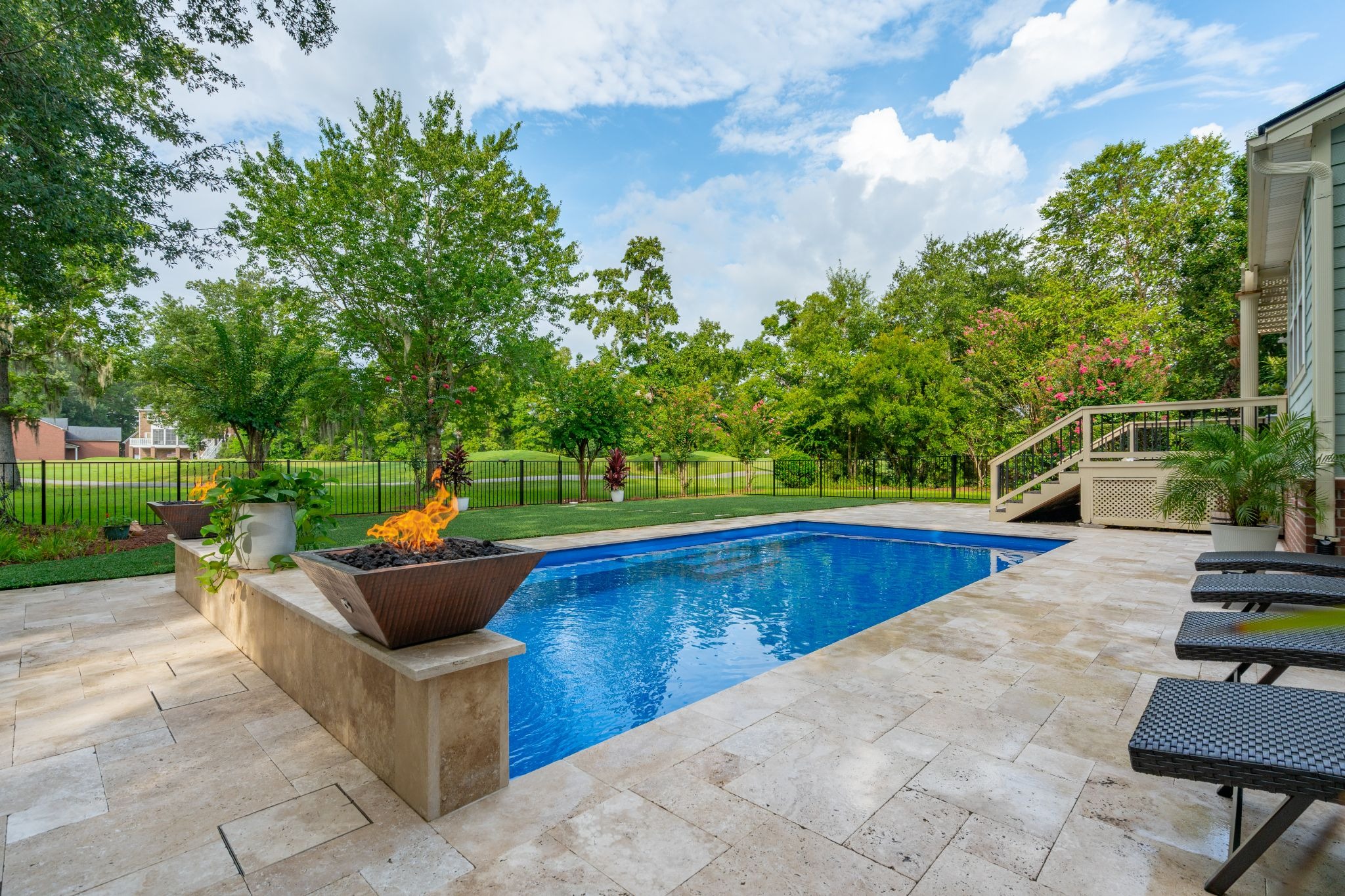
We’d be doing you a disservice if we didn’t mention that the fiberglass pool construction process isn’t noisy. In the spirit of being fully transparent, here are a few tips that’ll make your inground fiberglass pool installation smoother sailing for you and your loved ones:
- Heavy equipment: Your pool contractor may need to temporarily remove the fencing, greenery, or any large objects from the space where your pool will be built. If access to your backyard area is inhibited, you may incur extra costs. We recommend clearing the space early in the process to ensure your pool build goes off without a hitch.
- Driveway and sidewalk harm: While your installation team will work to the best of their abilities to minimize their footprint, the potential for driveway and sidewalk scuffs exists.
- Unforeseen weather and yard conditions: While your pool builder can’t predict the weather or what they might encounter when digging in your backyard, we recommend preparing yourself for the possibility of delays that may occur beyond your or your pool builder’s control.
- Soil modifications: Sometimes, the soil in a backyard may be unstable due to high compaction, moisture, or uneven home property foundations. As a result, sometimes, compacted stone may need to be added to ensure your fiberglass inground pool is delivered as expected. While adding stone can be a great way to ensure a flawless build, doing so can take time. Homeowners: Post-excavation, be prepared to add compacted stone if need be.
- Removal of bedrock or shale from your landscape: The excavation process moves fast. But if your pool professional finds bedrock, shale, or fine-grained clastic sedimentary rock, they may need to temporarily pause to bring in a hydraulic hammer and break up the shale before continuing your pool build.
Table: Fiberglass pool installation timelines
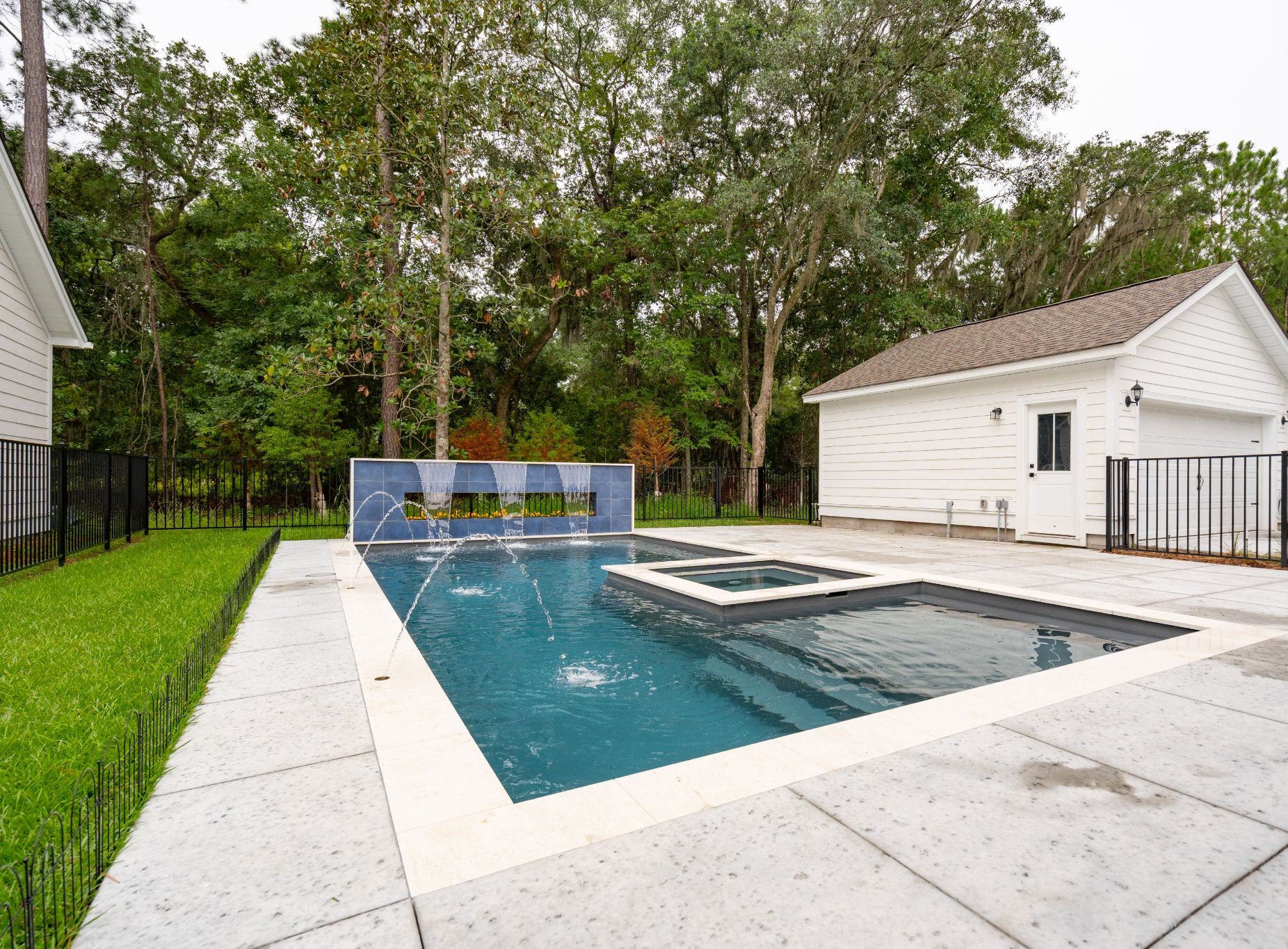
Did you know?
Did you know that part of the fiberglass pool design process involves setting the heights and levels of your pool, even the height of the benches in, for example, your jacuzzi? It’s all in the details.
🌊Speaking of details, for an insider look on what’s involved with custom bench detailing, take a look at this reel on our Instagram page.👈🏼
What qualities to look for in your fiberglass pool contractor
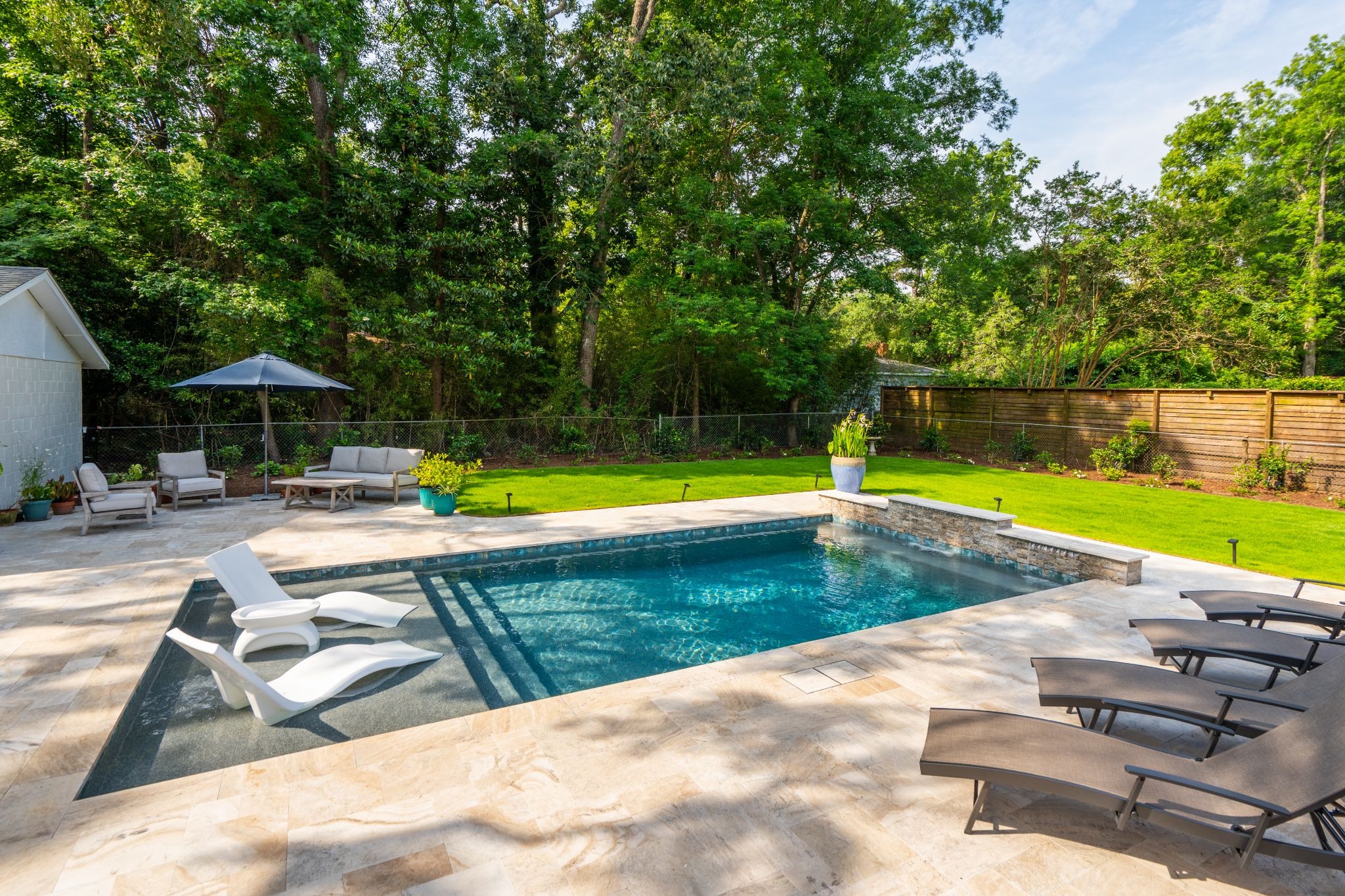
At the end of the day, every pool contractor follows a series of steps that, when put together, bring your pool to life. But it’s not only about what your pool contractor says or what type of crane they use to place your pool shell in the spot.
A great pool starts with an experienced team with a track record of success.
✅ A quality pool installation team comes toolkit-ready to every job.
✅ They’re clear with communication every step of the way.
✅ They offer several types of pools and pool sizes for every backyard and every need.
✅ They hold long-standing relationships with reputable lenders to offer flexible financing options
✅ Most importantly, they’re there to build you a long-lasting, picture perfect-pool that feels as good as it looks.
That’s how we operate.🏗️
Our pool contractors believe that you should be able to get premium luxury quality faster.
That’s why we’re proud to offer our 30-day fiberglass pool guarantee. That’s right: We’ve streamlined our process to deliver high-quality fiberglass pools in as little as 30 days.
Whether you're looking for a classic design or a modern touch, our team can make it happen quickly and efficiently. Enjoy a premium pool experience without the long wait.
With our 30-Day Fiberglass Pool Build, you can dive into your new pool sooner and start enjoying resort-like luxury at home. To get started on a new fiberglass pool install, contact our team today.
We look forward to making your dream pool a reality!🏊🏼♂️
Frequently asked questions about the inground fiberglass pool installation process
1. How long do fiberglass pools take to install?
The timeline to build a quality fiberglass pool can be just a few short days, that is, after pool shell delivery. A proper installation tends to take longer due to factors like weather, the size of the pool, the equipment used to complete the project, and any setbacks or unforeseen complications that might occur (such as running into property utility lines or unstable soil).
In general, though, most fiberglass pools take about three to six weeks to install.
2. How long do fiberglass pools last?
With proper care and maintenance, fiberglass inground pools can last 25-30 years or more. Regular pool maintenance and pool service — along with the right climate — can help extend the lifespan of a backyard fiberglass pool.
3. Can you install a fiberglass pool yourself?
You can install a fiberglass pool, but you’ll need extensive machinery, equipment, and materials. You’ll need to procure the proper permits, base materials, pool pumps and filtration systems, wiring, and more.
Do-it-yourself fiberglass pool installs require a great deal of skill, time, and attention to detail. You may save more money hiring a professional, as the challenges and unexpected expenses of do-it-yourself fiberglass pool installations can add up over time.
☀️Charleston Pools and Service: Our Pool Installers Build Quality Pools in SC💧
_edited_%201.svg)


