_edited_%201a.svg)


There’s nothing better than enjoying a beautiful day at the pool in the Lowcountry. But there’s nothing worse than a swimming pool that needs repairs during the summer. Fortunately, if you call your local Summerville, SC pool equipment repair team, they can source the right parts, replace them at your pool, and have you well on your way to making a splash.
Why let pool pumps, filters, and heater issues put a damper on all the fun? Instead, trust a pool equipment repair team to help you fix your pool’s issues.
Charleston Pools and Service here. Pool repair issues are never fun, but we’ve got your back in this guide to pool equipment repairs and replacements for Summerville summer fun.
In this guide, we’ll walk you through the basics of pump, filter, and heater repairs, including:
- Common pool equipment repair problems in Summerville, SC
- Common pool pump problems and how to address them
- Pool filter problems
- Pool heater problems
- The difference between pool repairs and replacements
- Typical timelines and factors affecting pool replacements and repairs
- How to prevent your pool from breaking down with routine pool repair work
- The process of scheduling poor equipment repair work in Summerville, SC
Common pool equipment problems in Summerville
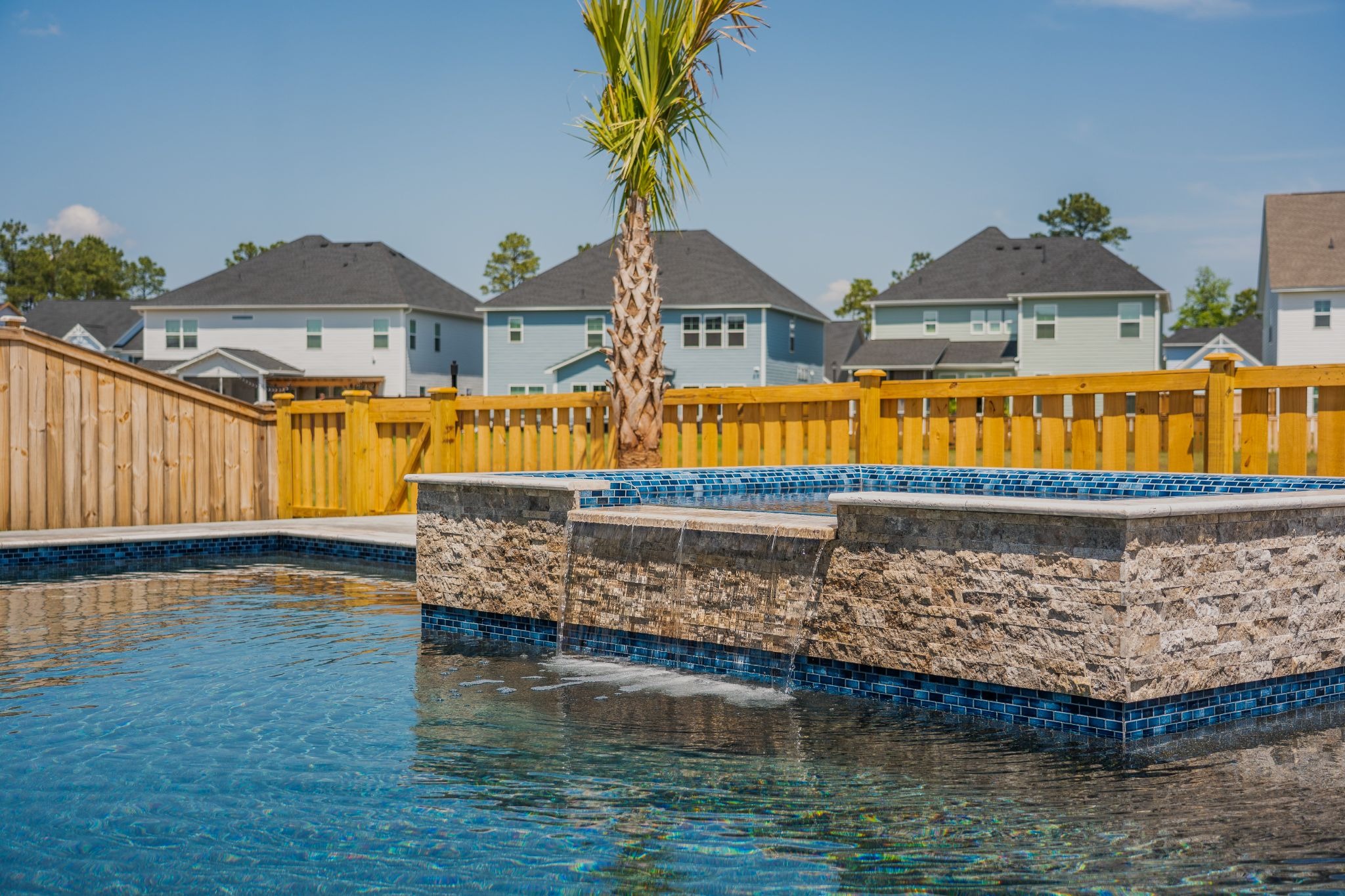
On hot and humid summer days in Summerville, SC, your pool is likely working overtime to try and keep you cool.
- Repeated use
- General heat
- Windblown debris
- Chemical imbalances
- Improper use
The above-mentioned factors can shorten the lifespan of your equipment. Above all, some of the most common pool repair issues start with pool pumps, pool filters, and pool heaters, for example:
- Pool pumps failing to start or making loud noises
- Pool filters showing high or low pressure
- Pool heaters not generating enough heat or displaying error codes
- Pool automation systems malfunctioning
- Leaks in pool plumbing or pool heater systems
- Dirty returns from the pool filter
Let’s explore in greater detail some of the most common pool equipment, pool pump issues, and pool filter problems, so you can experience a more relaxing and breezy Summerville summer.
3 Common pool equipment parts that need frequent repair work
Pool pump problems: Symptoms, likely causes, and safety
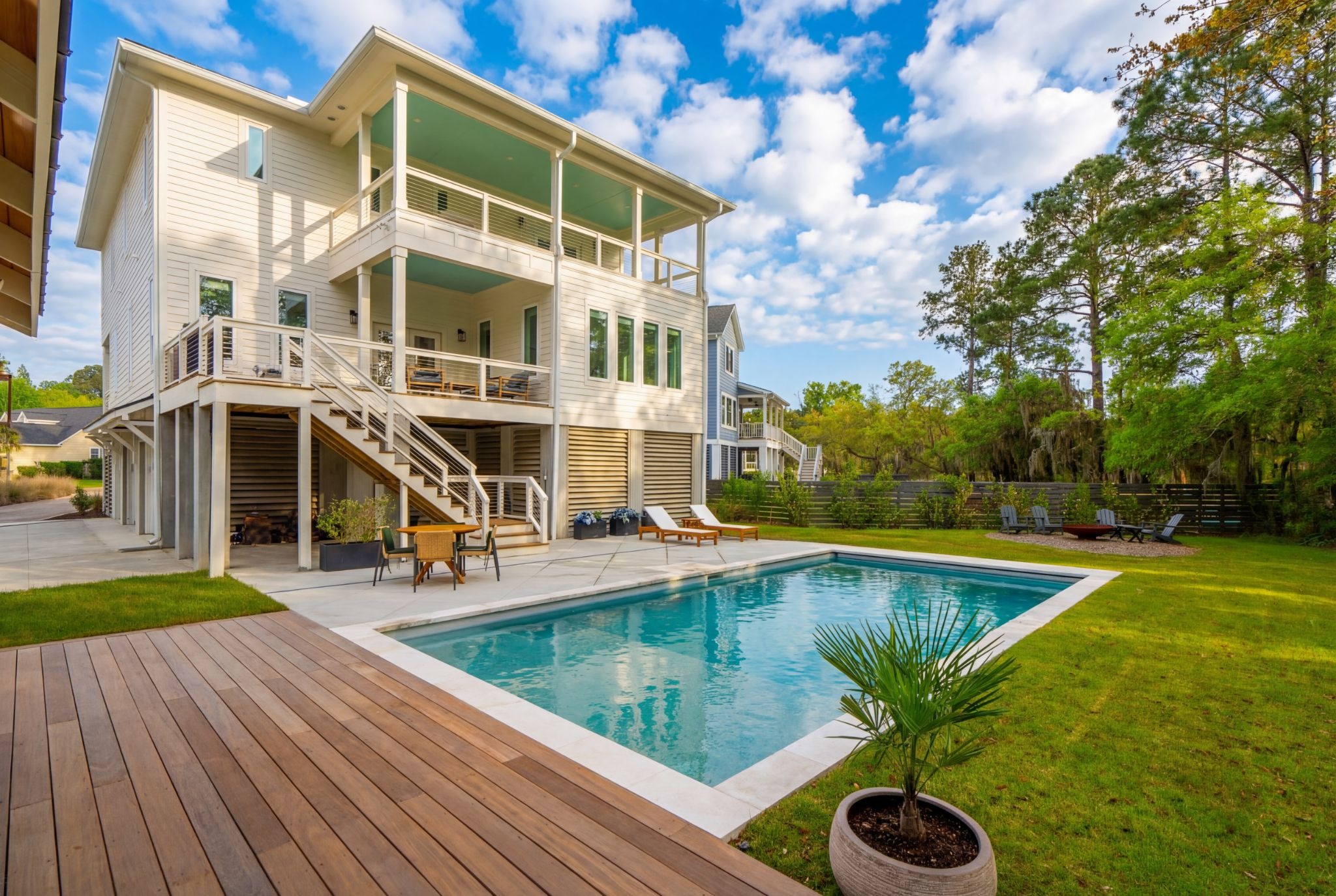
The pool pump: It’s the heart of your pool, as it drains water from your pool, pushing it through filters, and returning it clean to your pool.
You may be experiencing pool pump problems if you notice any of the following symptoms:
- Loud or screeching noises
- The pump won’t prime, or there’s low flow in the pump
- Potential tripped breakers or voltage issues affecting the power of your pump
- Leaks at the pump
Most pool pumps last about eight to 12 years, so if your pool pump is beyond this age, it could be time to replace it. If your pool pump runs without water, it could become damaged.
What’s more, debris can sometimes bypass the strainer basket and lodge in the impeller, which can cause a reduction in flow and overheating in the motor. In addition to the above-mentioned symptoms and causes, pool pumps can fail if stressed by extreme weather.
A pool equipment repair team often uses anti-entrapment drain covers and safety vacuum release systems, which shut off a pump and release suction pressure if the drain is blocked.
Conducting routine visual inspections and monitoring pool pumps for issues on a frequent basis is one of the best ways to ensure a safe and operable pool pump.
Pool filter problems: High pressure, low pressure, and dirty returns

Aside from pool pumps, pool filters tend to be the next most likely culprit for pool equipment repairs and replacements. The most common issues with pool filters include high pressure, low pressure, and dirty returns.
High pressure inside a pool filter tends to mean that sand, cartridge elements, and diatomaceous earth (DE) filters have been clogged and likely have been restricted. When high pressure occurs, greater force and pressure are placed on the gauge.
To fix high pressure in a pool filter, you can backwash a sand or DE filter until the water is clear. Alternatively, you can also remove and rinse the cartridge with a garden hose. You’ll know that your filter was dirty if the pressure drops.
Also, if you notice your return valves are partially or fully closed, air is trapped inside the filter, filter elements are worn, and/or parts need replacing, you may also experience high pressure in your pool filter.
In terms of low pressure in a pool filter, the following are likely causes:
- Clogged skimmers or pump baskets
- Air entering a pool between the water and the pump
- Low pool water levels
- Clogged pump impellers
- Malfunctioning suction valves
- Broken suction pipes
While many of these issues may overlap and cause dirty filters or returns, the result is often the same: inefficient pool equipment. Let’s take a look at one of our last pieces of pool equipment that often needs repair work, the pool heater.
Pool heater problems: No heat, weak heat, or error codes
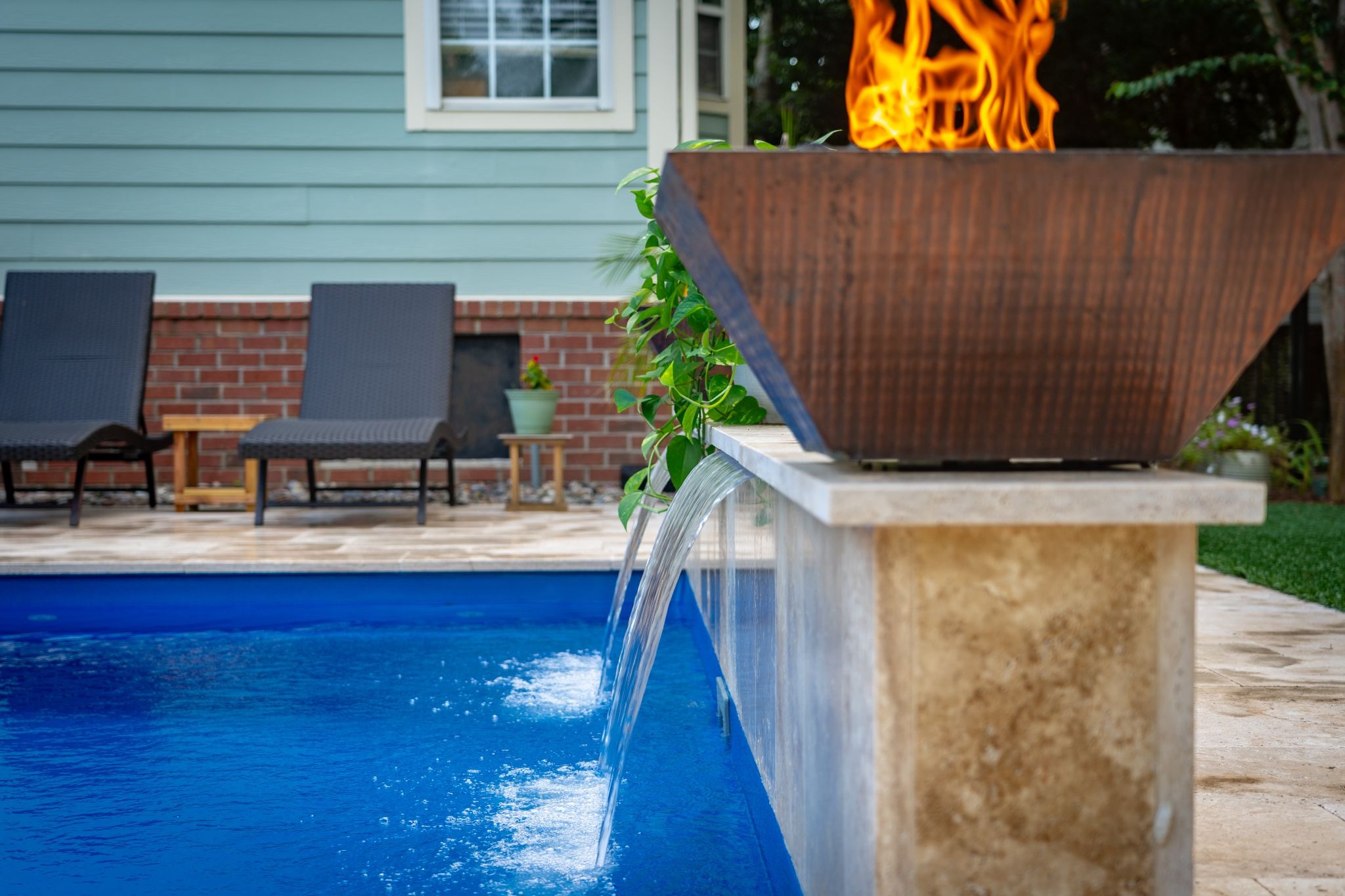
If your pool filter or pump isn’t working, the next likely culprit is the pool heater. No heat, weak heat, or error codes may be the result of any of the following:
- Improper settings on the heater
- Low water flow
- Blockages in or around the heater
You’ll know that your pool heater needs servicing if you notice any of the following symptoms:
- Inconsistent temperatures: If your pool isn’t warm enough to swim in, you might be experiencing issues with your pool heater
- Unusual noises: Loud banging or grinding noises can indicate that a part is damaged or debris has built up.
- Error codes or lights: Much like the engine of a car, modern pool heaters come equipped with error codes and warning lights to indicate the source of an issue.
- Increase in utilities: Your energy bill can increase if you notice issues with your heater.
- Water leaks or damage: Rust, cracks, or pooling water around the heater may indicate a need for pool maintenance or even a full pool replaster.
Nevertheless, being able to tell the difference between needing pool repairs versus pool parts replacements can sometimes be tricky. So, we always recommend reaching out to a knowledgeable pool technician because, well, they have the skills and tools to help you diagnose an issue before you start paying for potentially unnecessary repair work that merely treats the symptoms, not the cause of the issue.
Pool repairs vs. replacements: How to decide without guessing
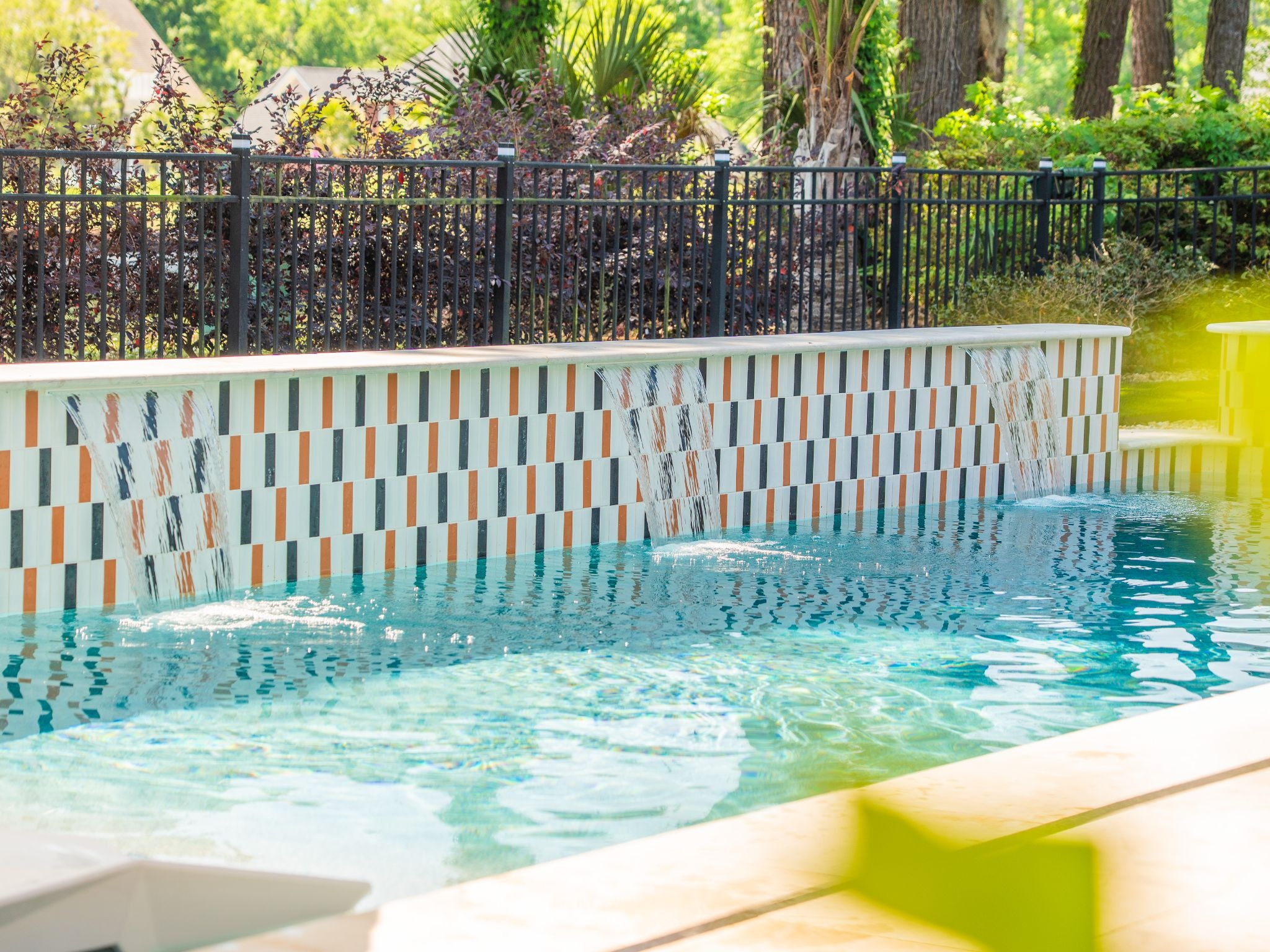
So, what’s the best way to determine the need for a pool repair versus a replacement? And, how do you make an informed decision, so you’re not guessing what the best solution will be for your pool?
The answer relies on knowing four distinct factors related to your pool:
- The age of your pool
- How frequently the issues occur
- Whether conducting a repair or replacement would help increase energy efficiency in your pool
- The impact of the downtime needed to repair and/or replace your pool equipment
If your pool is creeping up in age and hasn’t received regular repair or maintenance work (what’s the deal, yo?), your equipment will, at the very least, need to be checked for repairs or replacements. What’s more, if you notice that you’re experiencing the same problems time and time again, and that the frequency of the issue continues to increase, you’ll want to call a pool technician as soon as possible.
Reaching out to a pool technician will help you get peace of mind, but more importantly, help you create a more energy-efficient pool. A pool pro has the knowledge and tools to diagnose the issue and help you minimize how long your pool will be out of commission during the repair and/or parts replacement process.
Typical timelines and factors affecting pool replacements and repairs
In Summerville, SC, a typical timeline for pool replacements and repairs is based on three common factors:
- The time it takes to visit and diagnose the issue
- The availability of the part needing troubleshooting
- The severity of the issue
Every pool service team is different, but in general, at least with Charleston Pools and Service, we reply to all pool service-related queries within 24-48 hours or less. Depending on the size and complexity of the repair work, you’re looking at a day or less worth of work, and maybe more, depending on whether parts need to be ordered.
While we would love to give you a firm, exact timeline, every repair job is different. And, just as every pool is different, the combination of sourcing the part, the depth of the repair, and the severity of the issue can affect the overall timeline.
Familiarizing yourself with these three factors can help you recognize what to ask your pool technician to repair, if and when a breakdown occurs (plus, it’ll help you keep your cool, bruh).
How to prevent repeat breakdowns with routine maintenance
A few of the most effective ways to prevent repeat pool breakdowns are with routine pool maintenance and cleaning. You can keep your pool clean and free from breakdowns by doing the following best-practice maintenance tips:
- Vacuum, brush, and skim your pool weekly: Make sure to clean all walls and floors, from top to bottom. Doing so will help remove unsightly algae and gritty sediment from your pool.
- Test and balance pH and chlorine levels: The ideal pH level for pool water is between 7.4 and 7.6. Keeping your pool’s water chemistry within this range can help prevent infection, corrosion, and skin irritation.
- Conduct regular maintenance like cleaning filters and pumps: Make sure to follow the manufacturer’s guidelines for cleaning and backwashing all filters and pumps. Doing so will save you money in the long run and prevent regular breakdowns.
- Winterize your pool: During the off-season, consider cleaning and storing pool accessories, balancing water chemistry, and lowering water levels (to prevent freezing and damage to plumbing lines). Finally, use a high-quality mesh winter pool cover to keep your pool safe from airborne debris and other harmful detritus that the wind could blow into your pool.
- Seek professional pool service: If needed, seek the expert advice and craftsmanship of a certified pool professional. They have the experience, expertise, and knowledge to troubleshoot one-off repair issues you might face.
The key is consistency here.
The more you can be consistent with pool maintenance, whether for a fiberglass or gunite pool, the less downtime, breakdowns, and issues you’ll experience with your backyard pool.
Pool repair and maintenance tip #1
Did you know that one way to keep your pool protected in the off-season is with an automatic cover? Effortless to use and easy to maintain, automatic covers help keep the debris out and the warm water in.
Curious to learn how it works?🤔 Check out our Instagram page as our Charleston Pools and Service pool installation team breaks down how automatic pool covers work.🏊🏼♂️
Need pool equipment repairs in Summerville, SC? We got your back.
For nearly a decade, we’ve been providing thorough, comprehensive, and multi-point pool equipment repairs and replacements for homeowners across the Lowcountry. If you’re looking to get a leg up on pool season, or if you’re looking for one-off pool equipment repairs, look no further than Charleston Pools and Service.
With more than 1,500 pools built and 1,000 customers served, we’re the Southeast U.S.’s go-to pool repair and installation team. Whether you need a new fiberglass pool installed or a gunite pool repaired, our team will get your pool in tip-top shape in record time.
No bait-and-switch sales tactics. No cost overruns. And no poor planning.
Instead, you’ll receive:
- Customer service that’s second to none
- A team that comes toolkit-ready to resolve any issue you might face
- Service with a real — not plastered — smile
- Pool repairs done right the first time
Let’s get you swimming again. 🏊🏼
📞To schedule an initial consultation for a pool repair or replacement, don’t hesitate to contact us today.
Frequently asked questions (FAQ) about pool repairs in Summerville
1. Do you repair pool pumps in Summerville, SC?
Absolutely. We repair pool pumps, pool filters, pool heaters, and all pool equipment you can think of. We serve nearly 20 different locations.
2. What causes a pool pump to get loud?
One of the most common causes for a noisy pool pump is that it’s running dry. If your pool water level has fallen below halfway down the skimmer, your pump might be sucking air, placing more strain on the pump and causing it to sound loud.
With that being said, the pump may also be struggling to prime itself, or its motor may be malfunctioning, so you might need to prime your pump.
A few other causes for a pool pump being loud could be:
- A blockage is inside or outside the pump
- Bad bearings in the motor
- Cavitation
3. Why is my pool filter pressure suddenly high?
Pool pressure can increase and become high if you experience any of the following with your pool:
- Dirty or clogged filter elements
- Heavy bacterial or algae load in the pool
- Clogged skimmers or pump baskets
- Blocked return lines
- Backwash valve issues
- Aging pool equipment
4. How do I know if my filter needs cleaning or replacement?
You can tell if your filters need cleaning or replacement if you notice any of the following service and repair signs in your pool:
- Cloudy water
- Low water flow from jets
- High pressure in the pool, even after cleaning and maintaining it
- Powder clouding the pool
- Damage to cartridge filters
- Increased backwashing
5. Why won’t my pool heater turn on?
The most common culprits for a pool heater not turning on include:
- Tripped circuit breakers
- Faulty thermostats
- Clogged filters
- Restricted water flow
- Perhaps the most obvious of all, ensuring your heater switch is turned on🙃
6. Is repairing or replacing a pool pump cheaper?
Repairing a pool pump tends to be more affordable than replacing a pool pump, but replacing a pool pump may offer greater long-term value than repairing a pool pump.
7. What are the signs of a suction-side air leak?
The signs of a suction-side air leak include:
- Bubbles, splashing, and general frothing in the pump basket
- Bubbles coming into the pool from the returns
- Having to constantly expel accumulated air from your pool
8. Can poor water chemistry damage pool equipment?
Yes. Poor water chemistry can damage pool equipment such as heaters, pumps, filters, and more.
Ensuring the proper balance of pH and sanitizers is crucial to ensuring the longevity of your pool equipment.
9. How often should pool equipment be inspected?
Pool equipment should be inspected at least once every year, usually before the start of swim season. Nevertheless, we recommend calling a pool technician if you come across problems that you need help fixing, such as leaky pumps, malfunctioning automation systems, and more.
_edited_%201.svg)


